Hormone Myths vs. Facts: What Actually Matters for Your Health
Hormone Myths vs. Facts: What Actually Matters for Your Health
If you’ve searched hormones online, you’ve probably seen a flood of conflicting advice. Pellets, patches, supplements, influencers, and “miracle fixes” all claim to be the answer—but much of the information circulating is incomplete, misleading, or oversimplified.
Let’s clear up some of the most common hormone myths and focus on what actually matters from a medical perspective.
Myth: Hormone therapy is only for menopause
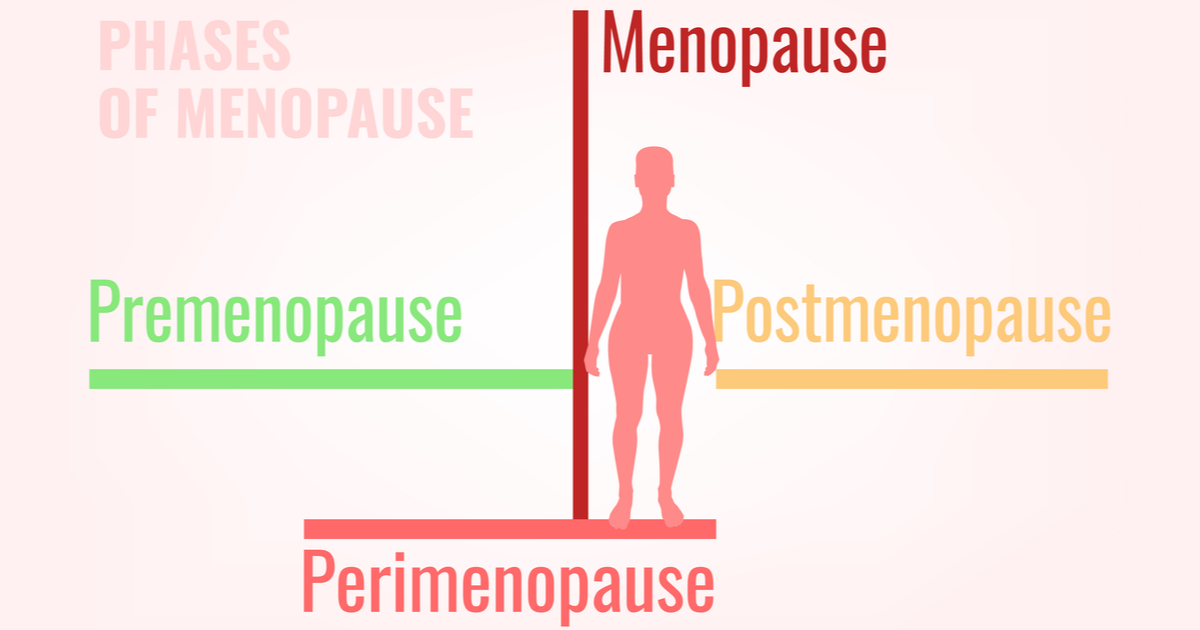
Fact: Hormonal changes can affect people at many stages of life, including perimenopause, postpartum, after surgery, or due to thyroid, adrenal, or metabolic conditions. Hormone evaluation isn’t age-based—it’s symptom- and diagnosis-based.
Myth: Bioidentical hormones are always compounded
Fact: Many FDA-approved hormone therapies are bioidentical. “Bioidentical” refers to the molecular structure, not whether a medication is compounded.
Myth: Pellets are the best or only option
Fact: Pellets are one delivery method, but they aren’t appropriate for everyone. Other options—oral, topical, or injectable—may offer more flexibility and safety depending on a patient’s labs, symptoms, and medical history.
Myth: Hormones should only be used short-term
Fact: Duration of therapy depends on individual risk factors, goals, and response—not a one-size-fits-all timeline.
What Actually Matters
A clear medical diagnosis
Labs interpreted in clinical context
Ongoing monitoring and follow-up
Individualized treatment decisions
Education before intervention
Hormone care works best when it’s treated as medical care, not a trend or wellness product.

